Even the best automation systems and CRMs are powerless without the right content behind them. Lead nurturing content is the heartbeat of every successful marketing ecosystem, the bridge between awareness and action.
It’s not enough to just publish blogs or post updates. To nurture effectively, you need content that speaks directly to your audience’s needs at every stage of their journey, content that educates, reassures, and inspires decisions.
“Automation delivers the message. Content delivers the meaning.”
In this post, we’ll explore how to build a lead nurturing content engine that converts, one that turns curiosity into trust, and trust into loyal customers.
Why Lead Nurturing Needs Its Own Content Strategy
A traditional content plan focuses on visibility. A lead nurturing content strategy focuses on velocity, moving leads smoothly through the funnel.
Your audience doesn’t need more content; they need more relevant content. That’s what makes nurturing work.
According to DemandGen, 76% of B2B buyers expect personalized content at each stage of their journey. If you serve generic material, your leads disengage.
That’s why every piece of content must have a defined purpose:
- Educate → Awareness
- Engage → Consideration
- Empower → Decision
- Encourage → Advocacy
A well-designed content engine ensures every message fuels progress — not confusion.
Mapping Content to the Lead Nurturing Funnel
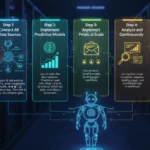
The lead nurturing content framework follows the same four stages as your buyer’s journey.
1. Awareness Stage : Inform & Attract
At this point, prospects are identifying problems but not yet exploring solutions.
Create educational and thought-leadership content that positions your brand as a trusted resource.
Best content types:
- Blog articles and SEO guides
- Infographics and explainer videos
- Social carousel posts and thought pieces
Example topics:
- “5 Mistakes Businesses Make When Automating Marketing”
- “The Beginner’s Guide to Building a Lead Funnel”
“The goal at this stage isn’t to sell, it’s to teach.”
2. Consideration Stage : Build Trust & Authority
Leads are now comparing options and need evidence of credibility.
Your lead nurturing content should now focus on proof, perspective, and problem-solving.
Best content types:
- Case studies
- Webinars
- Email sequences
- Comparison guides
Example topics:
- “How AI Lead Nurturing Increased Conversion Rates by 40%”
- “Email Automation vs Human Follow-ups: Which Works Better?”
This is where leads decide if you understand them better than your competitors.
3. Decision Stage : Reassure & Convert
Leads are ready to decide but need reassurance that you’re the right fit.
Your content must answer the final objections, highlight benefits, and make it effortless to act.
Best content types:
- Free consultations or demos
- Pricing page FAQs
- ROI calculators
- Customer testimonials
Example topics:
- “What to Expect When Working With a Marketing Automation Partner”
- “ROI of a 3-Month Nurturing Campaign: Real Case Breakdown”
“Trust removes hesitation and content removes friction.”
4. Advocacy Stage : Delight & Retain
Once someone becomes a customer, your lead nurturing content should deepen loyalty and spark referrals.
Best content types:
- Thank-you emails
- Success stories and community features
- User-generated content
- Upsell and referral programs
Example: A follow-up blog featuring your client’s success story builds pride and long-term affinity.
Building Your Lead Nurturing Content Engine
Your lead nurturing content engine should run continuously, collecting insights, producing content, distributing strategically, and analyzing performance.
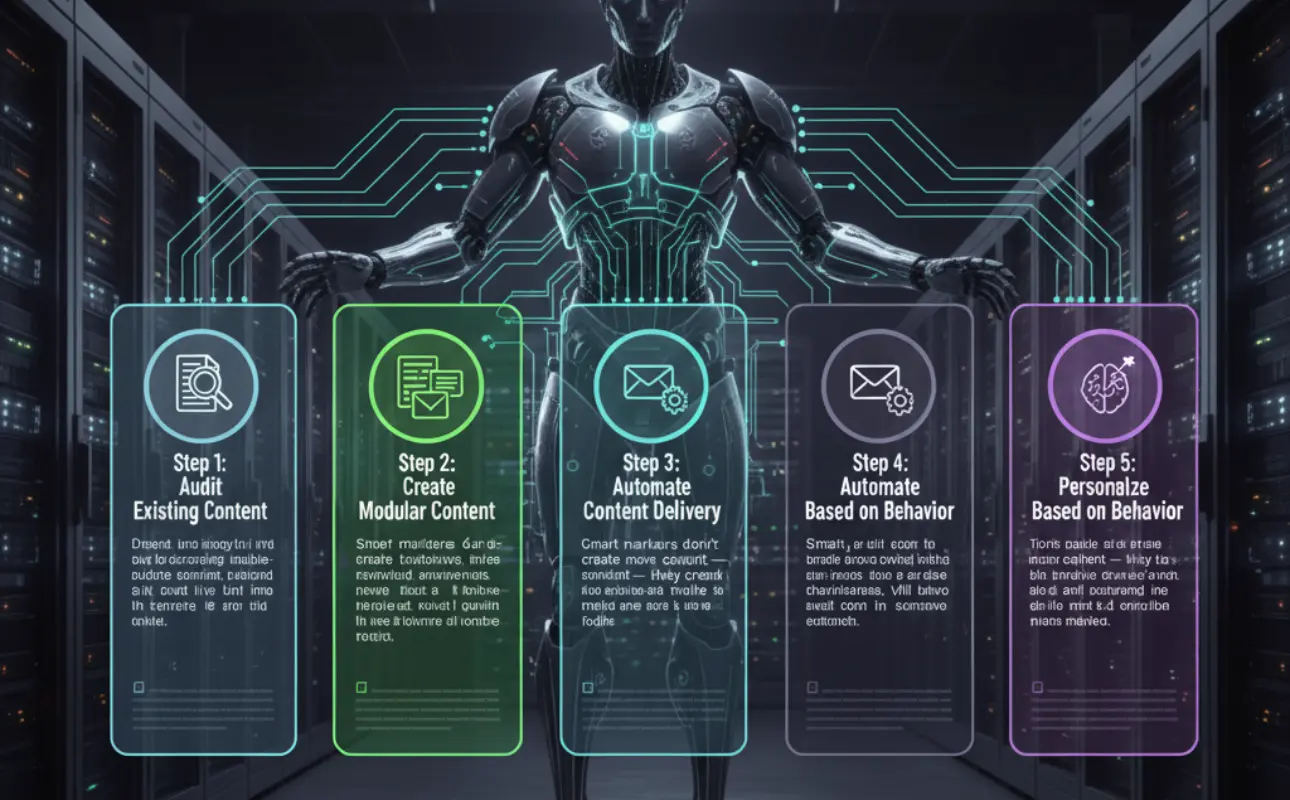
Here’s a 5-step system to build yours:
Step 1: Audit Existing Content
Identify which pieces already support the funnel. Tag each item as Awareness, Consideration, Decision, or Advocacy.
This reveals gaps where your leads might lose momentum.
Step 2: Create Modular Content
Repurpose and remix content across platforms. For example, turn a case study into:
- A blog article (for awareness)
- A short LinkedIn video (for engagement)
- An infographic email snippet (for consideration)
“Smart marketers don’t create more content — they create more uses for it.”
Step 3: Automate Content Delivery
Integrate your lead nurturing content with workflows in tools like GoHighLevel or HubSpot.
Trigger specific content when leads hit milestones such as visiting your pricing page or downloading a guide.
Step 4: Personalize Based on Behavior
Use AI and segmentation to tailor which content each lead sees. For example:
- A prospect interested in design tools receives UX-focused content.
- A decision-maker gets ROI-based resources.
Step 5: Measure, Learn, and Evolve
Track engagement metrics (clicks, scrolls, read time) to identify which pieces actually nurture and which don’t.
Refine tone, format, or sequence based on what works.
Types of Content That Nurture Best
Different content formats evoke different emotions and actions. Blend multiple types to keep engagement strong.
| Content Type | Funnel Stage | Purpose |
|---|---|---|
| Blog Posts | Awareness | Educate and attract |
| Ebooks & Guides | Consideration | Deepen understanding |
| Case Studies | Consideration/Decision | Build trust |
| Webinars | Decision | Showcase expertise |
| Customer Stories | Advocacy | Reinforce loyalty |
| Interactive Tools | Any | Encourage participation |
“Variety sustains interest and consistency builds credibility.”
Emotional Storytelling in Lead Nurturing Content
While data drives optimization, emotion drives conversion.
Humanize your lead nurturing content by focusing on transformation stories and not just statistics.
Storytelling Framework:
- The Struggle: Start with your audience’s pain point.
- The Spark: Introduce insight or inspiration that changes their perspective.
- The Solution: Demonstrate results through your approach.
- The Success: End with proof and emotional payoff.
This approach turns every blog, video, or case study into a journey your audience relates to.
“Emotion is the secret ingredient that turns content into connection.”
Integrating AI into Your Content Engine
AI tools are revolutionizing lead nurturing content by enabling scalability and insight.
Use AI to:
- Predict what content each segment will engage with next.
- Automate A/B testing for headlines or CTAs.
- Analyze emotional tone and engagement sentiment.
- Generate personalized summaries or dynamic recommendations.
When AI handles optimization, your team can focus on creativity and authenticity, the two things automation can’t replace.
“AI gives your content intelligence; creativity gives it soul.”
Measuring the Impact of Lead Nurturing Content
Metrics tell you whether your content actually nurtures or just entertains.
Track These KPIs:
- Engagement Rate: Are leads consuming the full content?
- Lead-to-MQL Conversion: Are readers progressing down the funnel?
- Time-on-Page: Indicates relevance and content depth.
- Content-Assisted Conversions: How many deals originated from nurtured content.
- Retention Metrics: Are nurtured clients staying longer?
These insights guide your next batch of content decisions and optimization cycles.
Common Mistakes in Lead Nurturing Content
Avoid these traps that limit nurturing potential:
- Irrelevant Messaging: Content must align with buyer stage.
- Over-Promotion: Too much self-focus breaks trust.
- Inconsistent Tone: Mixed messaging confuses your audience.
- No Clear CTA: Every piece should invite one clear next step.
- Lack of Follow-Up: Without workflows, great content loses momentum.
Content without a strategy is just noise — strategy turns it into nurturing.
Bringing It All Together
Lead nurturing content is about value and velocity and not just volume. When each piece of content is aligned with a clear purpose, delivered through the right channel, and reinforced by automation, you build a nurturing engine that converts effortlessly.
“Great content doesn’t chase leads but it guides them home.”